School Holidays and Gambling Recovery: Why This Time of Year Can Feel More Challenging
The school holidays can be a great opportunity to slow down, spend time with family and create new memories. However, for many people recovering from gambling harm, this time of year can also bring unexpected challenges.
During the school holidays, many people notice something has changed. Days feel less structured, routines disappear and family outings may involve places where gambling is difficult to avoid. If you're finding recovery feels a little harder at this time of year, you're not alone.
Recognising these challenges isn't about expecting relapse – it's about understanding what may increase vulnerability so you can prepare and protect your recovery.
Why Routine Matters in Recovery
Many people underestimate just how important routine is.
During the school term, life often has a natural structure. Work, school runs, meal times and evening routines create a rhythm to each day. Recovery often becomes part of that routine too, whether that's attending counselling, going to a support group, checking in with a sponsor, exercising or practising self-care.
When the school holidays arrive, that structure can suddenly disappear.
Days become less predictable. Children are at home. Work patterns may change. Holidays and days out replace familiar routines. While these changes can be enjoyable, they can also leave people feeling unsettled without fully understanding why.
Research consistently shows that predictable routines support emotional wellbeing by reducing stress and helping people manage difficult emotions more effectively. For someone recovering from gambling harm, losing that routine can create space for boredom, restlessness or impulsive thoughts.
More Free Time Isn't Always Easier
One of the common gambling triggers people describe is boredom.
When life becomes quieter, the brain naturally starts looking for stimulation. Gambling has often provided excitement, escape or relief in the past, so it's understandable that thoughts about gambling can become more noticeable during quieter periods.
You might notice thoughts such as:
- ‘Just one bet wouldn't hurt’
- ‘I'm only looking’
- ‘It's just something to pass the time’
Having these thoughts doesn't mean you've failed or that you want to return to gambling. Recovery isn't about never thinking about gambling again. It's about recognising those thoughts without acting on them.
Instead of trying to eliminate boredom completely, ask yourself:
‘What is my mind really asking for?’
Is it excitement?
Connection?
Achievement?
Rest?
A break from responsibility?
Often the need underneath the urge is something entirely different.
Family Days Out Can Bring Unexpected Triggers
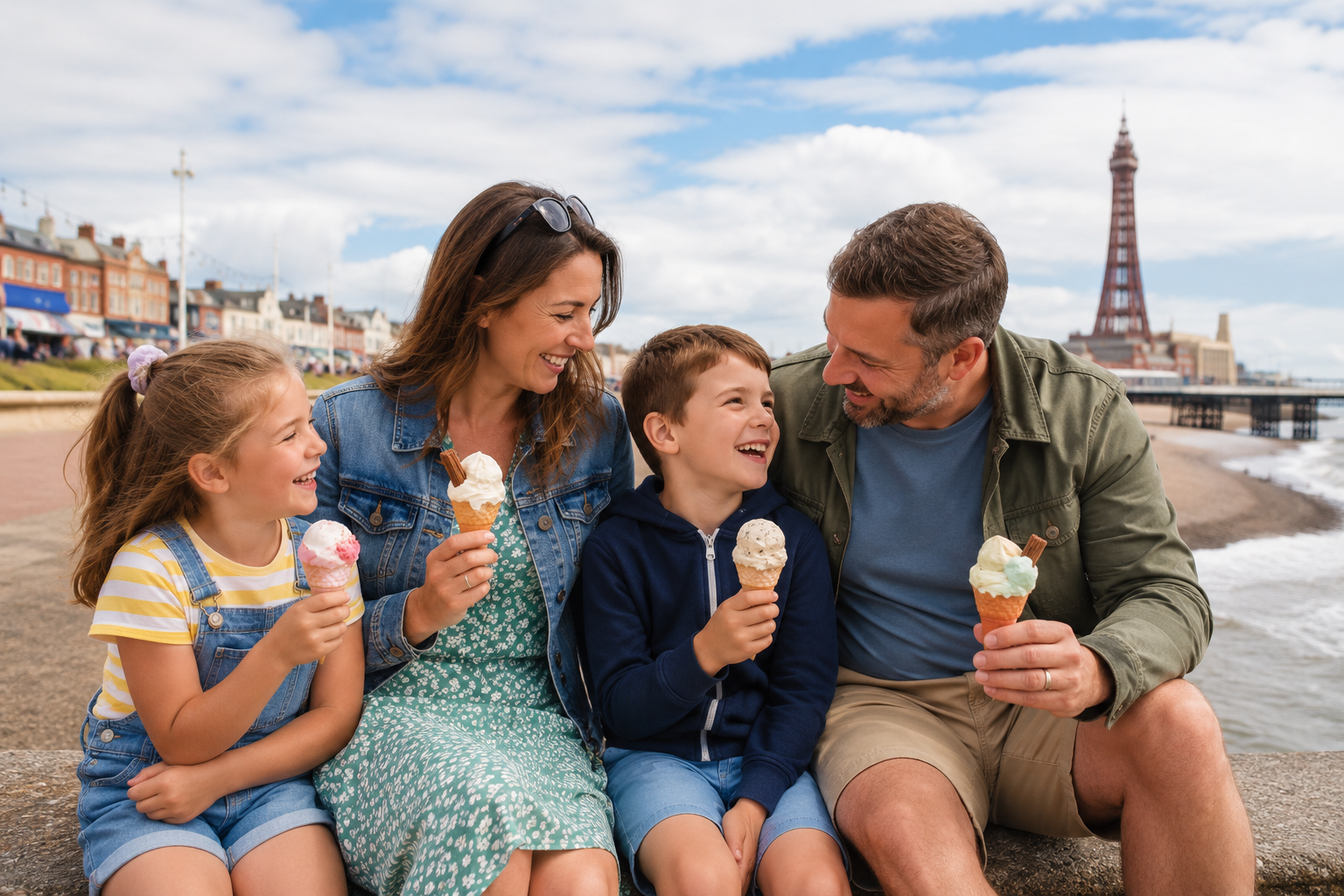
For many families, summer means trips to the seaside.
Places like Blackpool, Brighton, Skegness, Great Yarmouth and many other UK coastal towns are filled with amusement arcades, fruit machines and gaming venues.
For someone without lived experience of gambling harm, these machines may simply seem like harmless entertainment.
For someone in recovery, they can trigger memories, urges and emotional responses that appear without warning.
Sometimes the trigger isn't even the machines themselves.
It may be:
- The familiar sounds of coins and jackpots.
- Bright flashing lights.
- Walking past places you once gambled.
- Seeing other people playing.
- Memories of holidays where gambling became part of the day.
These reactions are normal. Our brains naturally associate places, sounds and environments with previous experiences.
The important thing isn't judging yourself for having a trigger.
It's recognising it early and responding with compassion.
If you're visiting the seaside with children, they may naturally want to go into an amusement arcade. That can feel uncomfortable if you're trying to avoid gambling. Remember, it's okay to have a plan. Perhaps another adult takes them inside while you enjoy a coffee nearby, or perhaps you choose different activities altogether. Protecting your recovery isn't selfish—it's one way of looking after yourself and your family.
Planning Ahead Can Protect Your Recovery
Recovery doesn't mean avoiding life.
It means planning for situations that may be difficult.
Before visiting somewhere you know has arcades or gambling venues, it can help to ask yourself:
- What situations might be challenging today?
- Who can I talk to if I find things difficult?
- How will I respond if I notice gambling urges?
- Do I need to take a different route?
- Can I spend less time near the arcades?
- What enjoyable activities will I focus on instead?
Having a plan often reduces anxiety because you're no longer relying on willpower alone.
Financial Pressure Can Increase Risk
School holidays can also be expensive.
Childcare, days out, meals, travel and keeping children entertained can place additional pressure on finances.
Stress about money can sometimes trigger old gambling thoughts, particularly if gambling was once viewed as a way to solve financial problems.
It's worth reminding yourself:
Gambling has never been a reliable financial solution.
The urge to ‘win back’ money often creates further losses and more stress.
If finances are feeling stretched this summer, reaching out for support is a sign of strength, not weakness.
Recovery isn't only about stopping gambling
It's about creating a life that feels more meaningful and connected. Whether that's enjoying an ice cream, building sandcastles, sharing fish and chips on the beach, or simply spending time together, these ordinary moments often become the ones we remember most.
Recovery can create more space to be present with the people and experiences that matter to you.
If You're Finding This Summer Difficult
If you're struggling more than usual, you're not alone.
School holidays change routines for almost everyone. They can increase stress, reduce structure and expose us to situations we don't normally face.
That doesn't mean recovery is failing.
It simply means recovery needs a little more support during this season.
Consider:
- Keeping some daily routines, even on holiday.
- Staying connected with your support network.
- Planning activities that genuinely restore your wellbeing.
- Being honest about difficult moments rather than facing them alone.
- Treating yourself with kindness if gambling thoughts appear.
Recovery isn't measured by whether urges happen, the important factor is how you respond to them.
A Final Thought
Recovery isn't tested because difficult situations exist. Recovery grows through the choices you make when they do.
Every time you recognise a trigger, ask for support or choose a different path, you're strengthening the life you're building for yourself.
If you're finding recovery particularly challenging this summer, you don't have to face it alone. At Sunrise Recovery, I offer compassionate online gambling counselling, providing a safe, non-judgemental space to explore what's happening, understand your triggers and build confidence in your recovery—one step at a time.
If you would like to explore your relationship with gambling contact me for a free consultation